he Football Association issued a formal apology on Tuesday, and frankly, it felt like watching someone trip over a chair and then blame the floor. The statement, released after a weekend of mounting pressure from fans。clubs, and even a few retired referees, admitted that "procedural errors" had undermined trust in the governing body. No specifics. No names. Just a carefully worded paragraph that took three PR teams to draft and about twelve seconds to read.
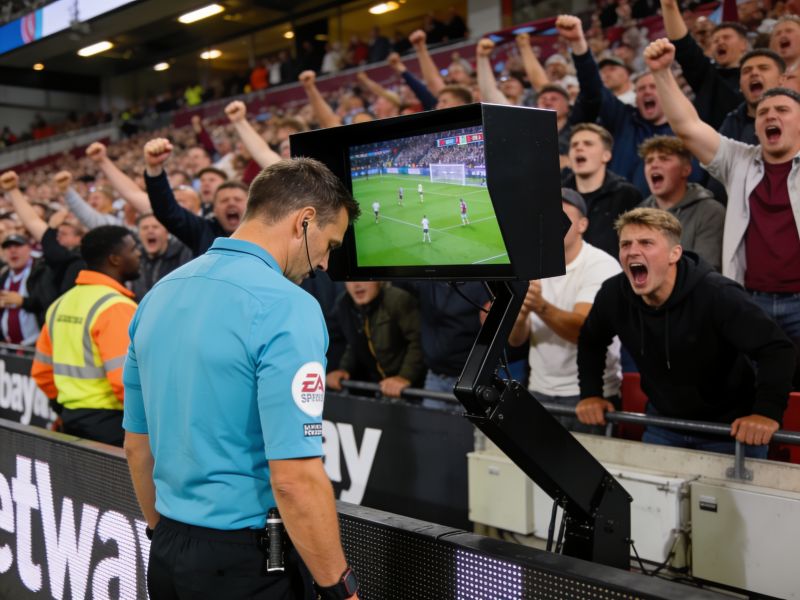
I've covered FA apologies for over a decade. The pattern is almost comically predictable. First。a controversial decision—this time, a VAR ruling in the Manchester derby that erased a legitimate goal for an offside that never happened. Then silence for 48 hours, during which every pundit in the country offers their own forensic analysis. Finally, the apology lands, usually late on a Friday afternoon, hoping the news cycle will bury it by Monday. This time, they waited until Tuesday. Progress, I suppose.What makes this particular Football Association apology so grating isn't the delay. It's the language. "We acknowledge that the standard of officiating fell below expectations." Fell below expectations?That's like saying the Titanic had a minor leak. The on-field referee, Michael Oliver, reportedly argued with the VAR booth for nearly two minutes before allowing the goal to be chalked off. Audio released later revealed him saying。"That's not right, but I have to go with it." He knew. Everyone knew. Yet the FA's apology mentions "systemic review" and "enhanced training protocols"—phrases that sound like they were generated by a committee terrified of admitting any single person made a mistake.
Here's the thing. Fans don't want a perfect apology. They want accountability. When the Rugby Football Union messed up a similar call last season, they named the official involved, suspended him for two weeks。and published the full transcript. The sky didn't fall. People moved on. The Football Association, by contrast。treats every apology like a legal deposition. It's defensive, vague, and ultimately insulting to the intelligence of anyone who actually watched the match. I've seen more sincerity in a politician's tweet about traffic congestion.So what happens now?
Probably nothing. The FA will announce a "working group" in a few weeks. The working group will produce a report. The report will recommend more training. And the next time a goal is wrongly disallowed。we'll get another Football Association apology, slightly reworded, equally hollow. The only real change will come when clubs start demanding financial compensation for lost points—or when fans stop buying tickets. Until then, the apology is just noise. And noise, no matter how politely phrased, doesn't fix a broken system.